What Makes a Deep Teeth Cleaning Different From a Routine Visit?
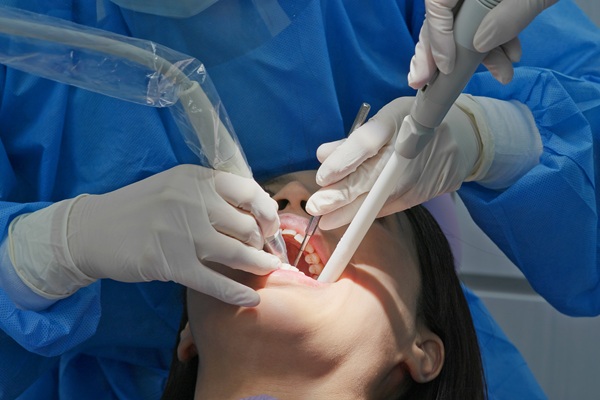
Many patients ask what makes a deep teeth cleaning different from a routine visit for a checkup. The short answer is that a routine visit every six months focuses on prevention, while a deep teeth cleaning targets active gum infection. Both appointments support oral health, yet they serve different needs. Learning more about the differences helps patients choose the right care at the right time, leading to better health outcomes.
Routine vs. deep teeth cleanings
A routine visit with a cosmetic, family, or general dentist is a key preventive dental care service. During this appointment, the dental hygienist removes soft plaque and hardened tartar from the visible tooth surfaces and just under the gumline. They will also polish and smooth enamel, so new plaque builds more slowly. Next, the dentist checks the gums, teeth, bite, and restorations, and reviews dental X-rays at recommended intervals. This visit aims to keep healthy smiles stable and to treat any small issues before they grow.
A deep teeth cleaning is a little different, as it is a gum disease treatment. It can reverse gum disease if in its earliest stage (gingivitis) or, if moderate to severe, help stop it in its tracks. Other differences include:
- Number of visits. A routine cleaning takes a single visit, while a deep teeth cleaning may be split into two focused appointments.
- Pain management. Teeth and gums may be sensitive during a routine visit, but numbing is not needed; a deep teeth cleaning often uses local anesthetic since it reaches beneath the gumline.
- A deeper, more thorough cleaning. While regular visits focus on the visible portions of the teeth, a deep cleaning involves scaling and smoothing the teeth below the gum line (root planing).
In short, a deep teeth cleaning aims to stop infection, reduce gum pocket depths, and help the gums reattach to cleaner root surfaces. To achieve this, patients often need to return for deep cleaning every three to four months instead of the standard six-month schedule.
What exactly happens during a deep teeth cleaning?
Comfort comes first. The cosmetic, family, or general dentist numbs the treated area so patients can relax throughout the appointment. The team then uses precision instruments and ultrasonic tips to clear plaque and tartar from the root surfaces below the gums. As mentioned, root planing smooths microscopically rough areas so bacteria find fewer places to hide. The dentist may place antibiotics or recommend antimicrobial rinses to support healing. Many patients complete care over two visits, one for each side of the mouth, to allow focused, thorough treatment.
The reasoning behind deep teeth cleaning is that a clean root surface allows the gums to form a stronger seal around each tooth. That seal protects the supporting bone and reduces the risk of loose teeth over time. Healthier gums also support a brighter smile, since inflamed tissue often looks red and puffy.
Protect your oral health through a cleaning
A routine visit with a cosmetic, family, or general dentist maintains oral health, but a deep teeth cleaning restores it when gum disease takes hold. Both appointments matter. If you think you need a deep teeth cleaning or are due for your next dental checkup, reach out to Baseline Dental Practice. Contact us today to schedule an appointment at our Rancho Cucamonga office.
Request an appointment here: https://www.baselinedental.com or call Baseline Dental Practice at (909) 895-2182 for an appointment in our Rancho Cucamonga office.
Check out what others are saying about our dental services on Yelp: Root Scaling and Planing in Rancho Cucamonga, CA.
Related Posts
In addition to regular dental checkups, dental deep cleaning can be an important step in maintaining good oral health. This treatment, which is sometimes recommended for patients with severe plaque buildup or gum disease, can be used to address current issues while preventing new ones from developing in the future. The process is straightforward and…
There are two primary causes for emergency dentistry: sudden and unexpected worsening of oral health concerns and dental trauma. This review specifically discusses the most common types of dental emergencies that are related to mouth trauma and provides an overview of how an emergency dentist can treat each concern.The most common emergency dentistry mouth trauma…
Dental bridges replace missing teeth, restoring smile appearance and bite function. They are noninvasive tooth replacements that rely on the surrounding teeth or dental implants for support. A general or cosmetic dentist will create a dental bridge custom-fit to the patient’s smile, ensuring a natural-looking restoration and optimal oral health.Dental bridges are named for the…
A cosmetic dentist considers several factors when designing a patient's smile makeover plan. The goal of the plan is to improve the overall appearance of the smile. By considering relevant factors such as the patient's goals and health, the dentist can craft a customized cosmetic procedure plan to give the patient the desired results.The process…